
"The selection notes helped our team separate must-have crusher capacity from nice-to-have features before we asked for pricing."
Plant ManagerAggregate producerFriendly guidance helps procurement and operations teams align the equipment conversation before drawings, quotes, and lead times become urgent.
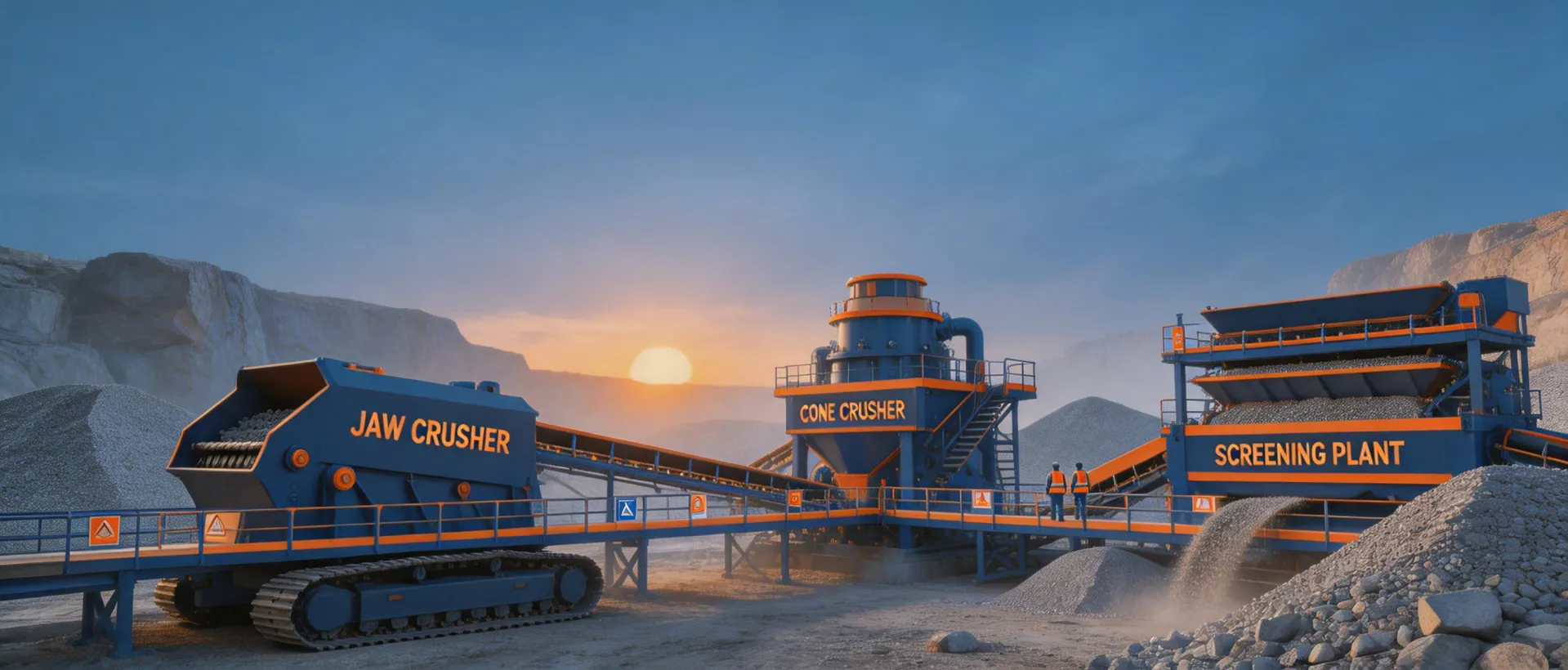
Start with feed size, abrasiveness, reduction ratio, and final gradation. Jaw crushers are often used for primary reduction, cone crushers support shaped secondary or tertiary output, and impact crushers can be useful where material characteristics and product shape justify them.
Mobile configurations can reduce civil work and improve site flexibility. Fixed plants may suit long-life reserves and consistent feed. Astec-oriented planning should compare relocation frequency, haul distance, electrical availability, and maintenance access.
Prepare feed gradation, moisture, hardness, clay content, desired tons per hour, target products, operating hours, and site constraints. Even rough values shorten early conversations and reduce mismatched proposals.
Review frame condition, wear surfaces, hydraulic records, electrical controls, previous duty cycle, and parts availability. A low purchase price can become expensive if downtime risk and rebuild scope are not clear.
Yes. Screening capacity, aperture selection, deck arrangement, recirculation, and fines handling shape the whole plant. Treat the crusher and screen as a system rather than isolated machines.
Share your application, expected duty, location, preferred configuration, and service expectations. Avoid absolute production promises until material testing and equipment matching are complete.
Shortlist equipment around feed opening, material behavior, and realistic daily operating rhythm.
Compare jaw, cone, impact, mobile, and stationary choices without burying teams in unnecessary jargon.
Account for access, wear part handling, inspection routines, and service support before purchase approval.
Translate operational inputs into practical request details that help suppliers respond with better-fit options.
| Selection Factor | Primary Jaw Path | Secondary Cone or Impact Path |
|---|---|---|
| Best starting question | What is the largest feed size? | What final gradation is required? |
| Typical duty | Run-of-mine or blasted rock reduction | Shaping, sizing, or recirculating product |
| Planning concern | Feed opening, grizzly, and jaw wear | Screen balance, closed-side setting, and wear profile |
| Helpful buyer input | Peak lump size, hardness, and clay content | Target products, fines limit, and throughput goal |
| Support conversation | Foundation or mobile chassis requirements | Screening strategy and recirculation control |
"The selection notes helped our team separate must-have crusher capacity from nice-to-have features before we asked for pricing."
Plant ManagerAggregate producer"We needed a clearer way to compare mobile impact and cone options. The guided checklist kept maintenance, gradation, and transport in one discussion."
Maintenance LeadRegional quarry group"Procurement could finally send suppliers the same operating assumptions, which made proposal reviews much easier."
Procurement DirectorMining contractorThe guided form is designed for teams that are still clarifying feed material, site setup, capacity, and service expectations.
Start with a focused Astec equipment discussion built around material, throughput, mobility, and maintenance priorities.